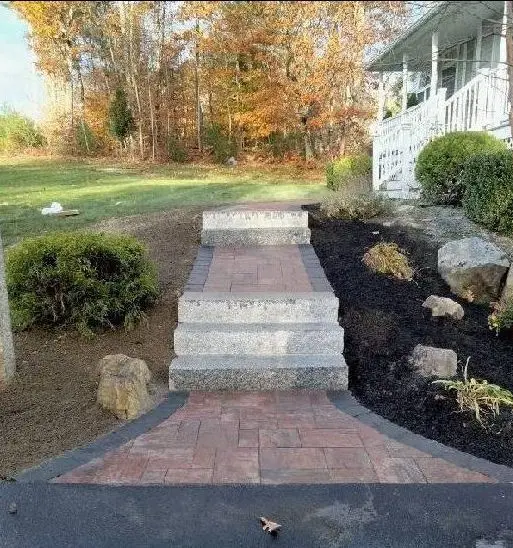
Seasonal yard cleanup for a commercial property works best when it is planned as two scheduled visits a year, one in spring and one in fall, with a written scope for each. The plan should name every area to be cleaned, set the visits around the property’s hours and tenants, and tie the fall visit to winter prep so snow season starts clean. Property managers, facility managers and HOA boards who plan this way get a consistent result instead of a scramble every April and November.
The Difference Landscapes has handled spring and fall cleanups for commercial properties, HOAs and multifamily communities on the NH Seacoast from Lee since 2003. This guide focuses on how to plan and scope cleanups for larger sites. If you want to know what a cleanup visit itself includes, our
seasonal cleanups page covers that.
How is a commercial cleanup different from a home cleanup?
The work is similar, but the setting is not. A commercial site has more people using it, more surfaces to protect, and more people who need to know what is happening. A cleanup at an office park, retail plaza or condo community has to work around parked cars, open entrances, deliveries and residents. It also has to look right to tenants, visitors and the board on the same day it is finished.
Commercial sites also carry winter wear that most homes do not. Plowed lots and walks leave sand and grit along curbs and in the first few feet of lawn. Plow banks can scuff turf at the edges of islands and entrances. Spring cleanup on a commercial property is often as much about recovering from snow season as it is about leaves and sticks.
What should a spring cleanup scope cover on a commercial site?
Write the spring scope area by area so nothing is left to interpretation. A typical commercial or HOA list includes:
- Entrance beds, signs and frontage that visitors see first
- Parking lot islands and curb strips where sand and debris collect
- Lawn edges along drives and walks that took winter wear
- Building foundation beds and walkway borders
- Common lawns, courtyards and shared green space
- Bed edging and preparation for mulch, if mulch is part of the contract
Note any turf damage from plowing during the spring walk so it can be repaired or scheduled. Photos help the board or the owner see what needs attention and approve any extra work.
What should a fall cleanup scope cover on a commercial site?
The fall visit has two jobs: clear the season’s leaves and debris, and set the property up for winter. A good fall scope covers leaf removal from lawns, beds and hard surfaces, cutting back perennials and cleaning out beds, and a final look at the grounds before the cold settles in.
On properties with mature trees, a single fall visit may not catch every leaf. Ask whether your contract includes one visit or more, and how a late leaf drop is handled. The goal is to finish before snow cover, not to wait for the last leaf.
How should cleanup be scheduled around a busy property?
Scheduling is where commercial cleanups succeed or fail. Before the season, agree on:
- Which days and hours work best for the site, such as early mornings at a retail plaza or weekdays at an office park
- How tenants or residents will be told about the visit, and who sends that notice
- Whether any areas, such as a lot section or a courtyard, need to be cleared of cars or furniture
- Who the crew should check in with on arrival
- Who signs off that the visit is complete
We assign one account manager per property, so the board or the property manager has one person to coordinate those details with.
How does fall cleanup connect to snow season?
For many commercial properties, the fall cleanup is the last grounds visit before plowing starts. That makes it a natural time to look at the site with winter in mind. Clean beds and edges make it easier to see curbs and islands. A clear understanding of where snow can be stacked helps protect beds and turf that were just cleaned.
If the same company handles both seasons, the handoff is simpler. We offer one combined year round contract with one invoice for landscaping plus snow, and we do a pre season walk at every snow property. Learn more on our
commercial snow removal page.
Should cleanups be part of a maintenance contract?
For most commercial properties, yes. Building spring and fall cleanups into a
property maintenance contract means the visits are scheduled, scoped and budgeted in advance. It also keeps the same team on the property all season, so the people doing the fall cleanup already know the site from spring.
If your property only needs a cleanup now and then, ask for a written scope anyway. A clear list of areas and tasks is the best way to compare quotes and confirm the work is done.
Ready to schedule cleanups for your property?
We are glad to walk your site and write a spring and fall cleanup scope that fits how the property is used. Call (603) 605-8880 or request an estimate through our
contact page. Our office is open Monday to Friday, 8 AM to 4 PM.
Frequently asked questions
What is a seasonal yard cleanup for a commercial property?
It is a scheduled spring or fall visit that clears debris, leaves and winter wear from lawns, beds, islands and entrances, based on a written scope for the site.
How many cleanups does a commercial property need each year?
Most properties plan one spring and one fall cleanup. Sites with many mature trees may need more than one fall visit, so confirm what your contract includes.
Why does spring cleanup matter after snow season?
Plowing leaves sand and grit along curbs and lawn edges and can scuff turf near islands and entrances. Spring cleanup clears that material and flags any damage for repair.
Can cleanups be included in a maintenance contract?
Yes. Including spring and fall cleanups in a property maintenance contract means they are scheduled, scoped and budgeted in advance.
Can landscaping and snow be on one contract?
Yes. The Difference Landscapes offers one combined year round contract with one invoice for landscaping plus snow.